

Skip To Content

All Products Are Sold For Research Use Only. Not For Human Consumption.

FORBIDDEN LABSPEPTIDES

Neuroendocrine Research Peptides

CJC-1295, Ipamorelin and Tesamorelin: synthetic peptide analogues studied in receptor pharmacology along the hypothalamic and pituitary signaling pathway.

CJC-1295

Neuroendocrine Research

$38.24$44.99/ 1 Vial · Every Month

Neuroendocrine Research

CJC-1295

$38.24$44.99/ 1 Vial · Every Month

Details

Pack Size

All Neuroendocrine Research Peptides

CompoundPriceAdd To Cart
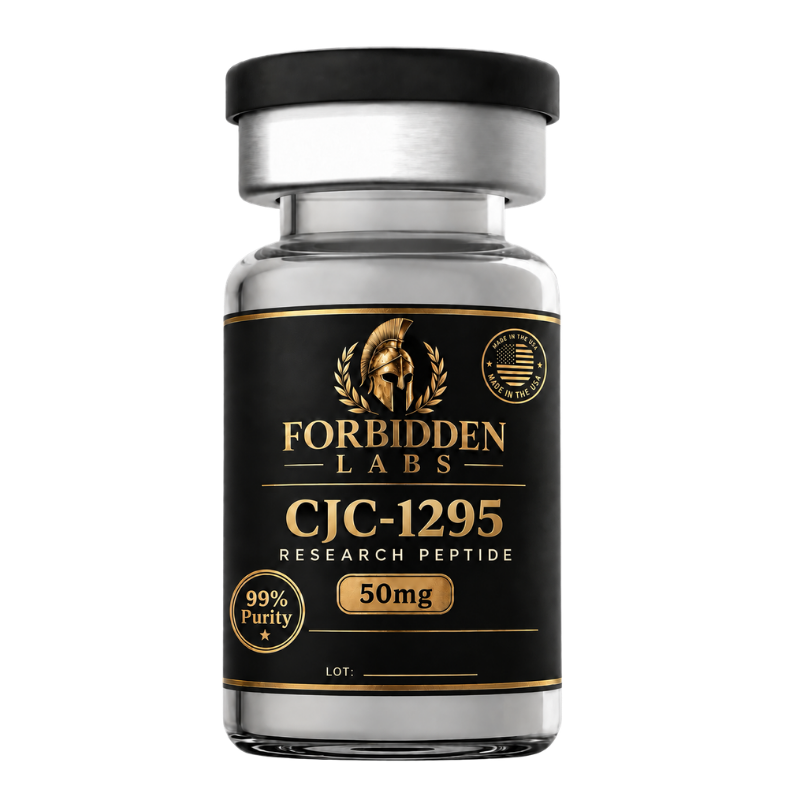
CJC-1295 • 5 MG • 1 VialGHRH Analogue Research$38.24$44.99Saving 15%
1

Delivers every month

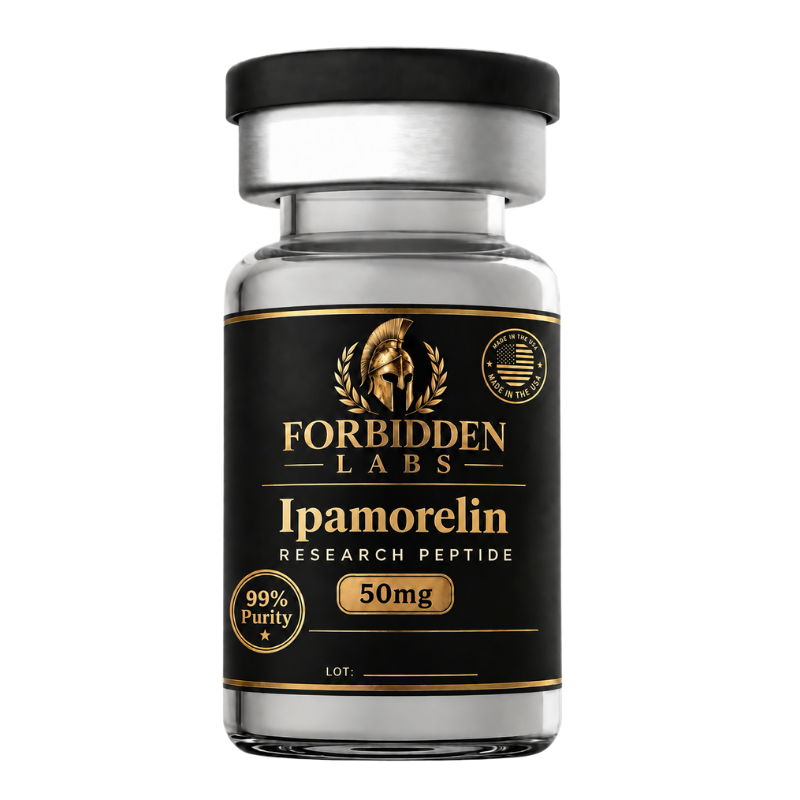
Ipamorelin • 5 MG • 1 VialGhrelin Receptor Research$31.44$36.99Saving 15%
1

Delivers every month

Tesamorelin • 5 MG • 1 VialGHRH Analogue Research$46.74$54.99Saving 15%
1

Delivers every month

The Science

How The Hypothalamic And Pituitary Pathway Signals

Neuroendocrine signaling runs from the hypothalamus to the pituitary through peptide ligands and their receptors. Researchers pick a compound by the receptor they want to study. For laboratory research use only, not for human or animal consumption.

  1. 01

    The Hypothalamus Releases GHRH

    Neurons in the hypothalamus secrete GHRH, a 44-amino-acid peptide, which travels to the anterior pituitary.

  2. 02

    GHRH Receptor Binding

    GHRH binds the GHRH receptor, a class B G protein-coupled receptor on pituitary somatotroph cells, and cAMP rises inside the cell.

    Studied here: CJC-1295, Tesamorelin

  3. 03

    Ghrelin Receptor Binding

    A second receptor on the same cells, GHS-R1a, binds the peptide ghrelin and signals through Gq and intracellular calcium.

    Studied here: Ipamorelin

  4. 04

    Feedback Signals

    Somatostatin, a hypothalamic peptide, binds its own receptors on the same cells and opposes both signals, closing the loop researchers model.

In 3D

A Modified GHRH Analogue

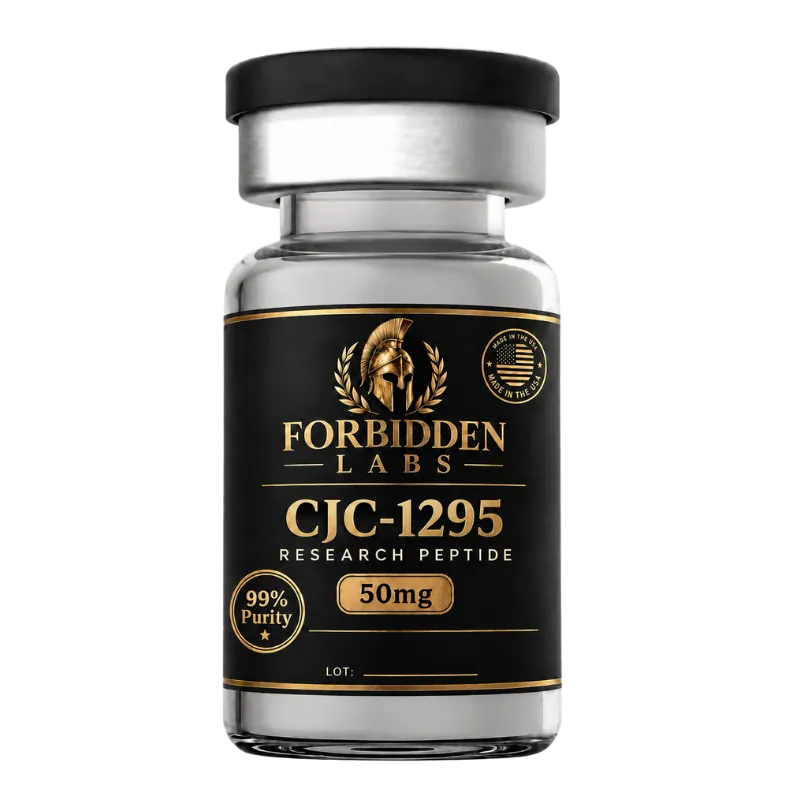
CJC-1295 is a synthetic analogue of the first 29 amino acids of GHRH, with four amino-acid substitutions that make the chain more resistant to enzymatic cleavage. It is studied at the GHRH receptor, the first link of the pathway. Made in the USA, 5 MG per vial, shipped the same day.

GHRHAnalogue
5 MGPer Vial
4Amino-Acid Substitutions

View CJC-1295

A glass pipette releasing a drop into a clear dish

Sourcing And Manufacturing

Made And Shipped In The USA

Every compound in the collection is made in the United States and ships from here too. Each vial leaves capped and sealed, labelled with the compound, the amount per vial, the storage range and the research-use notice, and every compound's page names the field it is studied in. Tracking is emailed the moment your order leaves, so you can follow it all the way to your bench.

  1. 1

    Made In The USA

    Every compound in the collection is made in the United States.

  2. 2

    Sealed And Labelled

    Each vial leaves capped and sealed, labelled with the compound, the amount per vial, the storage range and the research-use notice.

  3. 3

    Research Area On Every Compound

    Every compound page shows the area of research it is studied in.

  4. 4

    Same-Day Shipping

    Orders ship from the US the same day, so vials spend less time in transit.

The Difference

Forbidden Labs Vs Other Brands

What you get here, and what you usually get elsewhere.

Forbidden Labs
Other Brands
Where It Is Made
Made In The USA
Often made overseas
Shipping
Same-day, from the US
Often ships from abroad
Research Area On Every Compound
Printed on every page
Rarely shown
Third Party Lab Tested
Every batch
Rarely
Purity Insurance
99%
Lower
Better Pricing
Direct from our lab
Reseller markups

Shop The Collection

The Research Guide

Neuroendocrine Research Peptides: A Research Guide

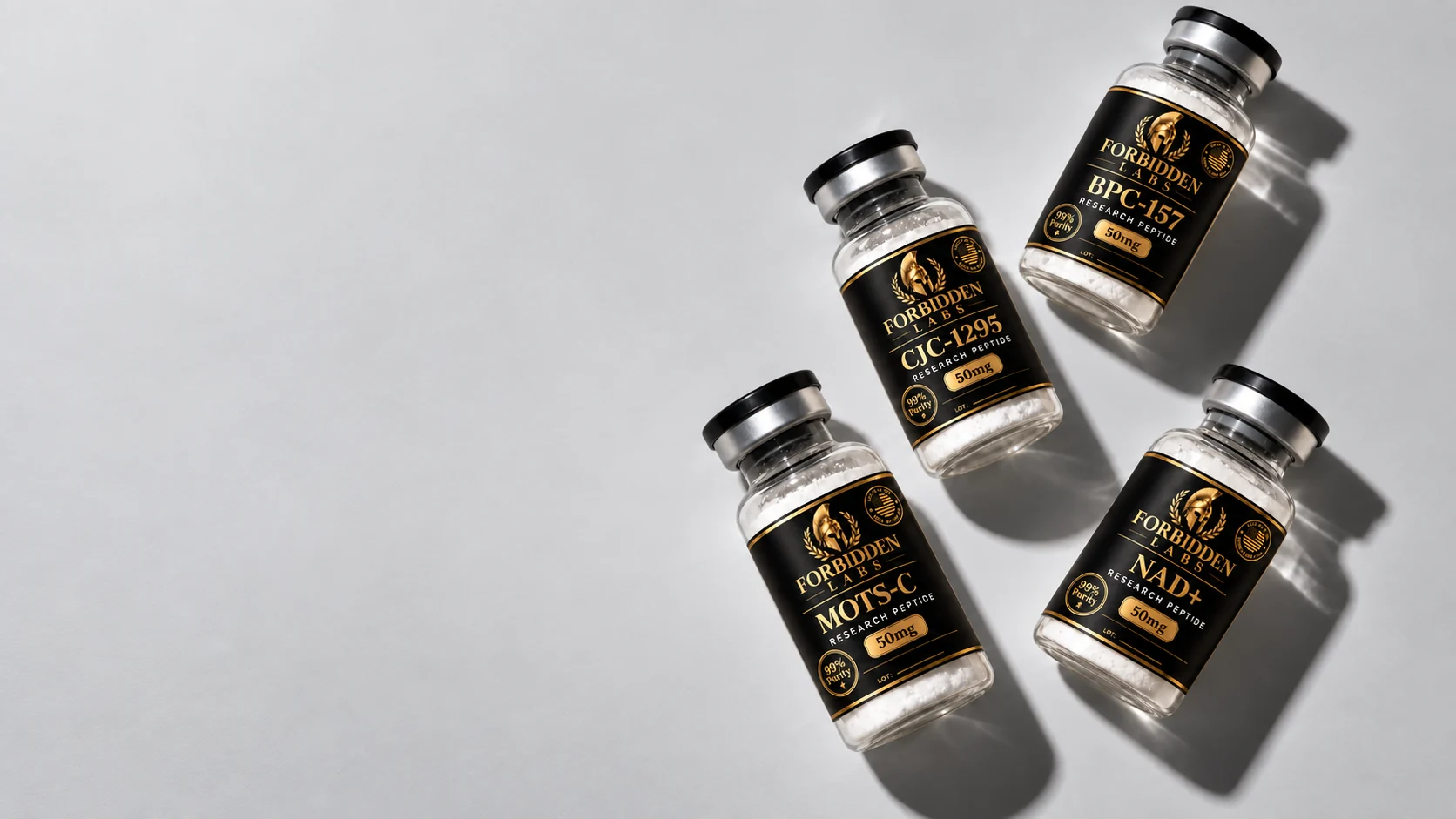
Neuroendocrine Research is the Forbidden Labs field for synthetic peptide analogues studied along the hypothalamic and pituitary signaling pathway: CJC-1295 (5 MG), Ipamorelin (5 MG) and Tesamorelin (5 MG). Every vial is made in the USA, shipped the same day, and sold for laboratory research use only, not for human or animal consumption.

What Researchers Study In This Field

The hypothalamic and pituitary pathway is a chain of peptide signals: the hypothalamus releases GHRH, which binds the GHRH receptor on pituitary cells, while ghrelin acts at a second receptor, GHS-R1a, and somatostatin opposes both.

The compounds in this field are synthetic analogues that act at different receptors in that chain, and every product page lists its research area.

CJC-1295

CJC-1295 is a synthetic analogue of the first 29 amino acids of GHRH, with four amino-acid substitutions that make the chain more resistant to enzymatic cleavage. It is studied in GHRH receptor binding and peptide stability. Each vial holds 5 MG.

Ipamorelin

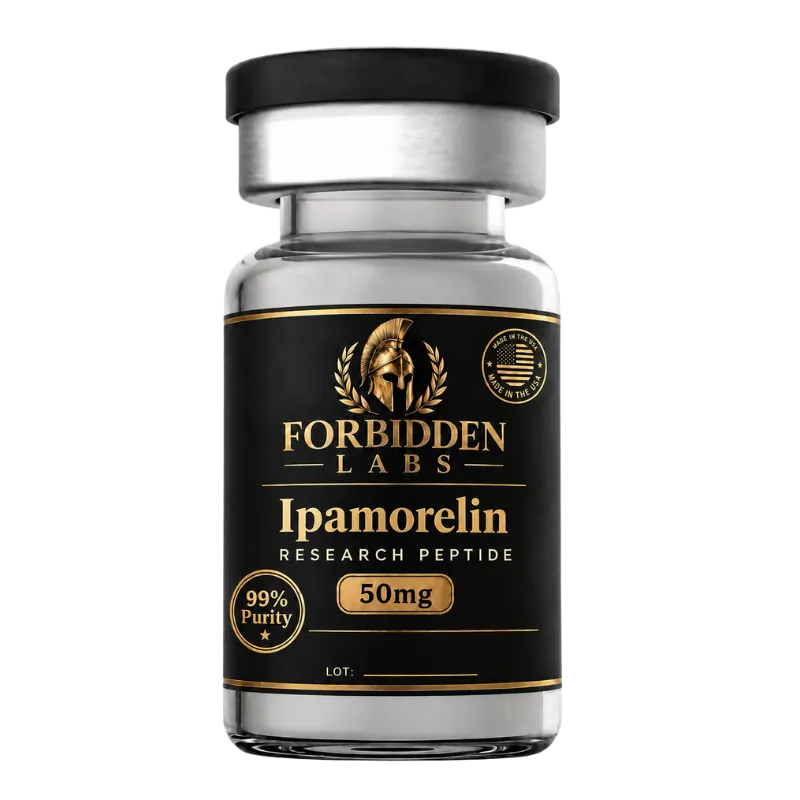
Ipamorelin is a synthetic pentapeptide that acts as a selective agonist at the ghrelin receptor, GHS-R1a. It is used to study receptor selectivity and Gq signaling in cell-based assays. Each vial holds 5 MG.

Tesamorelin

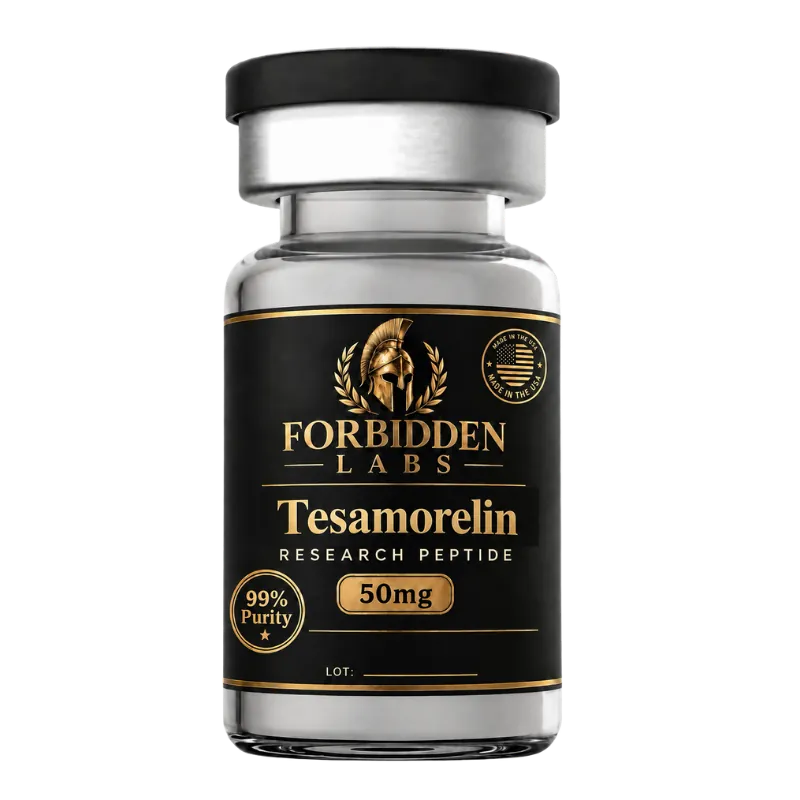
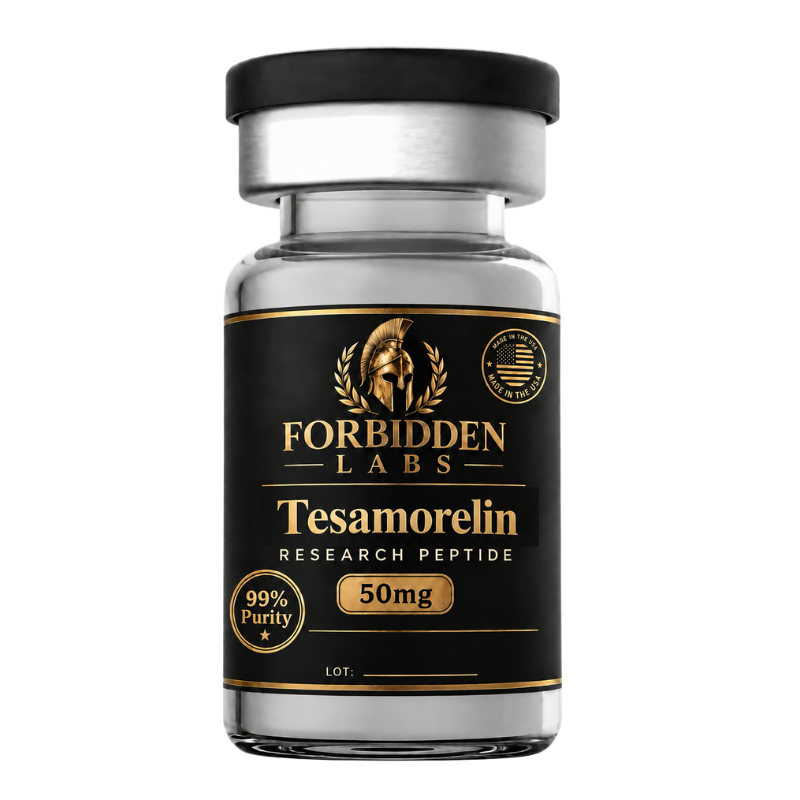
Tesamorelin is a synthetic analogue of the full 44-amino-acid GHRH chain, with a trans-3-hexenoyl group added at the N-terminus that slows enzymatic degradation. Each vial holds 5 MG.

How The Compounds Differ

CJC-1295 and Tesamorelin are GHRH analogues that bind the GHRH receptor; CJC-1295 is built on the first 29 amino acids, Tesamorelin on all 44. Ipamorelin binds a different receptor, GHS-R1a. Two receptors on the same pituitary cells, which is why researchers study them side by side.

Handling And Storage

Store every vial refrigerated at 2 to 8°C (36 to 46°F), away from light, and leave it sealed until it is needed. The storage range is printed on every label, and our storage guide covers the rest.

For Research Use Only

Every compound in this field is for laboratory research use only, not for human or animal consumption.
Glossary

Neuroendocrine Research Terms, Explained

The words you will meet on every compound page in this field, in plain language.

GHRH
The 44-amino-acid hypothalamic peptide that binds the GHRH receptor on pituitary cells.
GHRH Receptor
A class B G protein-coupled receptor on pituitary somatotroph cells that signals through Gs and cAMP.
Ghrelin Receptor
GHS-R1a, a G protein-coupled receptor that binds the peptide ghrelin and signals through Gq.
Analogue
A molecule built to resemble a natural one, often with substitutions that change its stability or binding.
Selective Agonist
An agonist that activates one receptor with little activity at related receptors.
Somatostatin
A hypothalamic peptide that binds its own receptors and opposes GHRH signaling.
Pituitary
The gland below the hypothalamus whose cells carry the GHRH and ghrelin receptors studied in this field.
N-Terminus
The start of a peptide chain, the end with a free amino group. Tesamorelin is modified here.

Subscribe And Save

Never Run Short.

Every compound has a subscription plan. Open any product on this page, pick a delivery gap, and every delivery comes off the price you see. Pause or cancel any time from your account.

15%Off every delivery, every month
10%Off every delivery, every 2 months
USAMade and shipped, same day

Pick A Compound

What Our Customers Say

Everything about the order was simple and easy to follow. The research profile gave me useful background without making unsupported claims.
Sean K.
The product information was cleanly organized and easy to reference. Packaging was secure and the vial label was legible.
Marcus J.
The Neuroendocrine Research category makes it easy to browse related compounds. The site was transparent about the research-only status throughout the ordering process.
Daniel F.
The product arrived sealed with the compound name and storage range clearly visible. I also liked having the research sources available on the product page.
Chris M.
The Tesamorelin page was easy to navigate and had the research information presented clearly. The ordering process was quick and straightforward.
Kevin B.
The site made browsing the Neuroendocrine Research compounds easy. The vial was clearly labeled and the overall presentation looked professional.
Eli R.
The product information was simple to review before ordering. Everything arrived cleanly packaged and matched the information shown online.
Hunter P.
I appreciated how clearly the site presents its research-use positioning. The storage range was also easy to find on the product label.
Caleb S.
The Neuroendocrine Research collection is organized nicely and made Ipamorelin easy to find. Ordering was straightforward and the package arrived securely.
Jason L.
The product page gave me a clear overview of the compound and its research category. The vial arrived sealed with readable labeling.
Tyler N.
The product page was easy to understand without unnecessary filler. Shipping was quick and the vial arrived properly labeled.
Aaron V.
I liked being able to review the evidence status before ordering. The site makes the research-only purpose very clear.
Brandon C.
The product details were concise and straightforward. The package was secure and everything matched the order.
Patrick R.
The research information was organized in a way that made the compound easy to document. The vial arrived sealed with clear storage labeling.
Steven M.
The Neuroendocrine Research section makes CJC-1295 easy to find alongside related research compounds. The product page was clear and easy to navigate.
Andrew K.

Neuroendocrine Research FAQs

Questions about the compounds in this field.

CJC-1295 (5 MG), Ipamorelin (5 MG) and Tesamorelin (5 MG).

They act on different receptors. CJC-1295 is a synthetic GHRH (1-29) analogue, studied in GHRH receptor binding. Ipamorelin is a synthetic pentapeptide agonist of the ghrelin receptor (GHS-R1a).

A synthetic 44-residue GHRH analogue, studied in GHRH receptor binding.

Refrigerate every vial at 2 to 8°C (36 to 46°F), as printed on the label, away from light and sealed until it is needed.

Contact Us